
Concepts overview
Product lifecycle management (PLM) tracks the artifacts that describe how a physical product is built and changed over time. In simple-plm those artifacts are parts (the atomic unit you buy or build), BOMs (which parts go into which assembly, and how many), ECOs (a proposed change with a reviewed approval trail), and releases (an immutable snapshot you actually fabricated against).
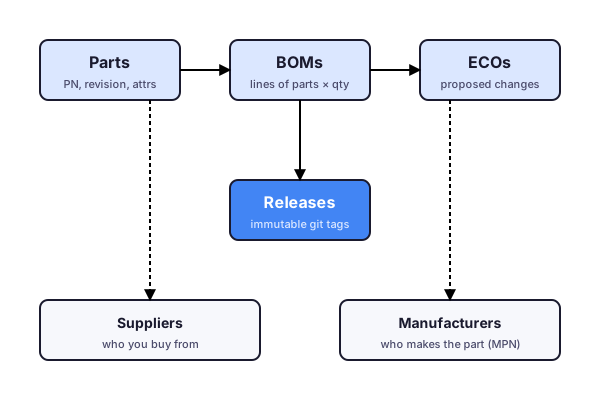
What makes simple-plm different from the enterprise tools is that all of that data lives as YAML files in a Git repository — one repo per organization, under plm-data/. Branches, merges, and history are Git’s. The dashboard, the CLI, and AI agents all write commits to the same source of truth. Tenants run on per-org scale-to-zero pods so a one-engineer team and a fifty-engineer team pay for what they actually use.